Bataclava: the New Alpine Dress-Code
Updated: Jul 9
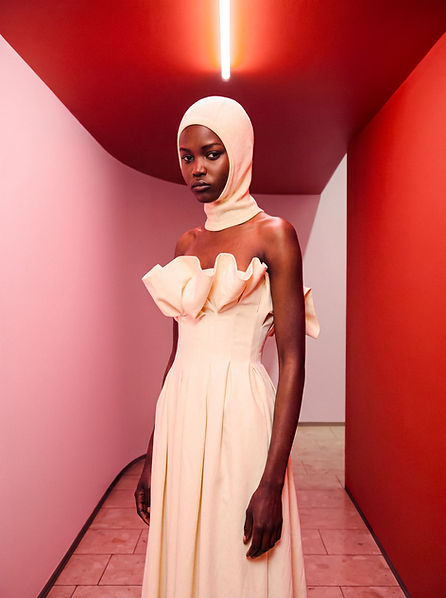
Before entering the luxury sphere, the balaclava existed for 170 years as a utilitarian garment. While it was a staple of early alpine style in places like St. Moritz during the 1920s and 1930s, the item was later sidelined in the 1970s and 1980s as skiers sought alternative, mainstream accessories to break away from tradition. Its modern transformation into a contemporary fashion statement began with Demna at Balenciaga, who integrated this heritage headcovering into a broader, romanticized post-Soviet aesthetic that quickly turned viral online. Then Miu Miu directly referenced that early high-society winter glamour by staging its Fall/Winter 2021 runway in the snow of Cortina, introducing pastel crochet versions that gained massive appeal among Gen Z users on TikTok. Other major maisons adopted and subverted the trend: Jonathan Anderson for Loewe introduced surrealist versions with heart-shaped face cutouts for the Fall/Winter 2022 men's collection, Givenchy incorporated uncommon horn details, and outerwear brands like Moncler solidified the item through technical luxury collaborations. Looking ahead to the upcoming Winter 2026/2027 season, designers are fully untethering the balaclava from its sportswear roots, blending it with everyday prêt-à-porter and formal evening outfits to create a new trend of fluid volumes in fashion. Its fundamental purpose is subverted: an item engineered for extreme thermal protection is now a pure status symbol, driven by the urge to appear avant-garde wearing this accessory in a 25-degree room with a roaring fireplace, while a blizzard rages outside. This paradox invites reflection on how and when the fashion system reinterprets garments to drive new markets and revenues, commercializing the human experience to feed an ever-growing obsession with appearance.
AI video LPS